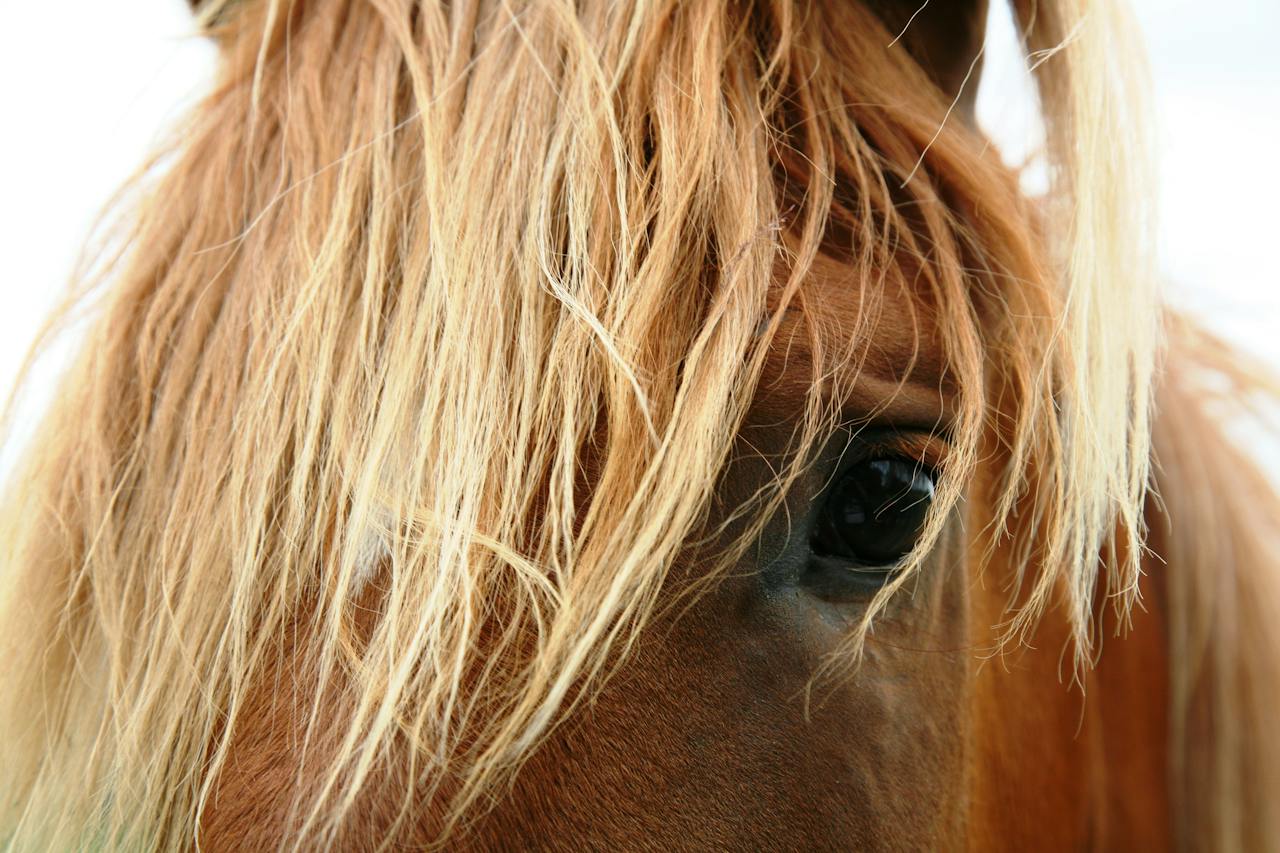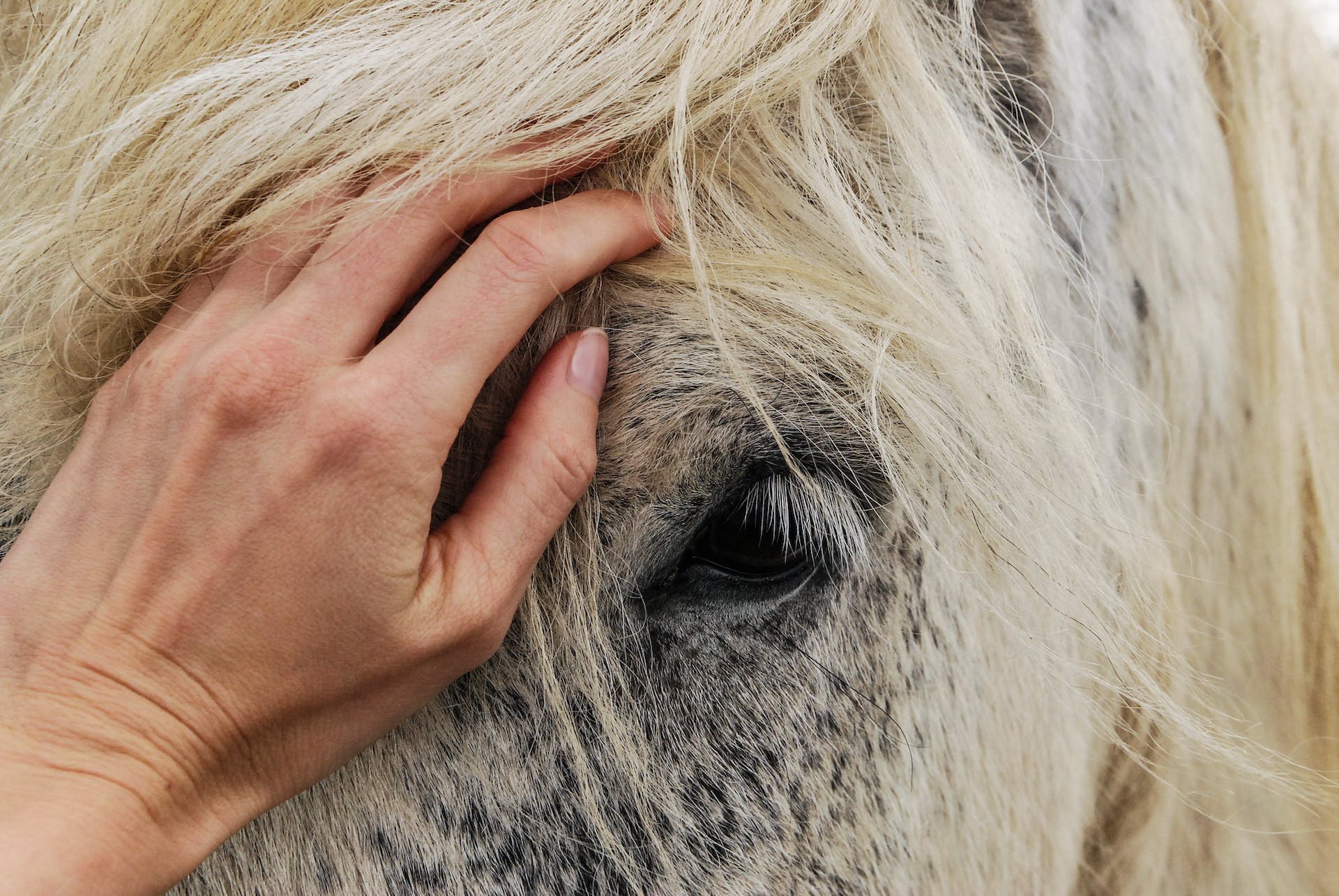


Monitoring and managing the health of your horse is a crucial responsibility as a horse owner. Regular observation, preventive measures, and timely veterinary care are essential to ensure your horse's well-being. Here are key points to consider when it comes to monitoring and managing horse health:
Daily Observation:
Take time each day to observe your horse closely. Look for any changes in behavior, appetite, water intake, or general demeanor. Monitor their body condition, coat quality, and overall appearance. Regular observation allows you to detect early signs of illness or discomfort.
Vital Signs:
Familiarize yourself with your horse's normal vital signs, including their temperature, heart rate, and respiratory rate. Regularly measure and record these vital signs, as they serve as valuable indicators of your horse's health. Deviations from the normal range may indicate underlying health issues.
Nutrition and Weight Management:
Maintaining a balanced diet and appropriate weight is crucial for your horse's health. Monitor their food intake, ensuring they receive the necessary nutrients and appropriate portion sizes. Regularly assess their body condition score and consult with your veterinarian to adjust their diet if needed.
Parasite Control:
Implement an effective parasite control program in collaboration with your veterinarian. Regular fecal egg counts and deworming treatments tailored to your horse's needs help control internal parasites. Good pasture management practices, such as rotational grazing and manure removal, also contribute to parasite control.
Vaccinations and Preventive Care:
Follow a vaccination schedule recommended by your veterinarian to protect your horse from common infectious diseases. Stay updated on boosters and ensure your horse receives timely vaccinations. Additionally, engage in preventive care measures such as dental examinations, hoof care, and routine veterinary check-ups.
Lameness and Soundness:
Pay attention to any signs of lameness or changes in gait. Regularly inspect your horse's limbs, hooves, and joints for any abnormalities, swelling, or heat. Promptly address any lameness issues or concerns, seeking veterinary attention if necessary.
Wound Care and First Aid:
Learn basic first aid procedures and have a well-stocked equine first aid kit readily available. Attend to minor wounds or injuries promptly, keeping them clean and properly bandaged. Seek veterinary attention for more serious wounds or injuries that may require professional care.
Regular Veterinary Check-ups:
Schedule routine veterinary check-ups to assess your horse's overall health, perform physical examinations, and address any concerns. Regular visits allow your veterinarian to monitor your horse's condition, administer vaccinations, perform dental care, and address any health issues promptly.
Environmental Factors:
Evaluate your horse's environment for potential hazards or risks to their health. Ensure safe fencing, appropriate shelter, and clean, well-maintained stables or turnout areas. Monitor pasture conditions, addressing any potential toxic plants or hazards.
Health Records:
Maintain organized health records for your horse, including vaccination records, deworming history, veterinary visits, and any significant health events. This helps track their health history and provides valuable information for future reference or when seeking veterinary advice.
Remember, early detection and timely intervention are key in managing horse health. Regular monitoring, preventive care, and a proactive approach to veterinary care contribute to the overall well-being of your horse. Work closely with your veterinarian, seek professional advice when needed, and prioritize the health and welfare of your equine companion.